Why Businesses Need Regular Termite Control Services
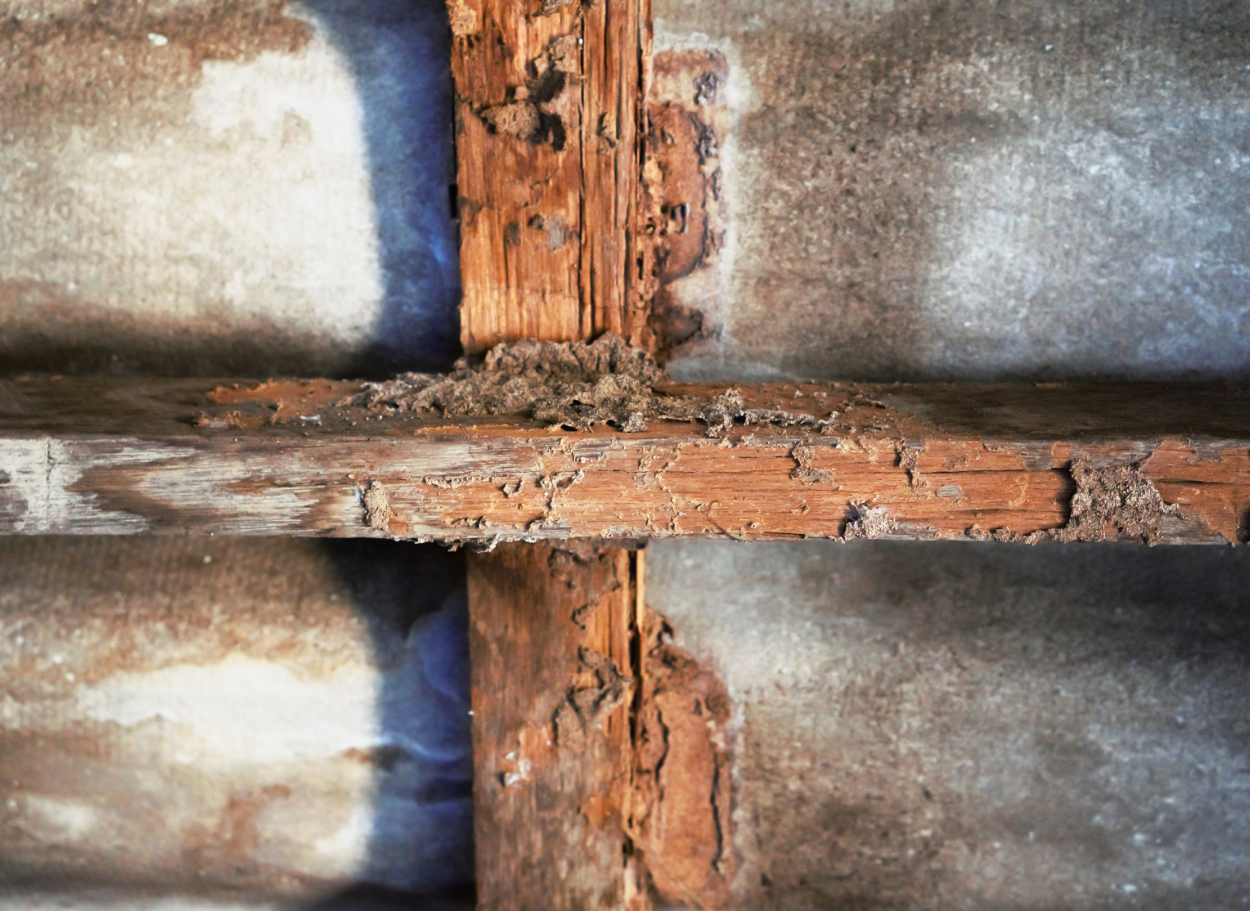
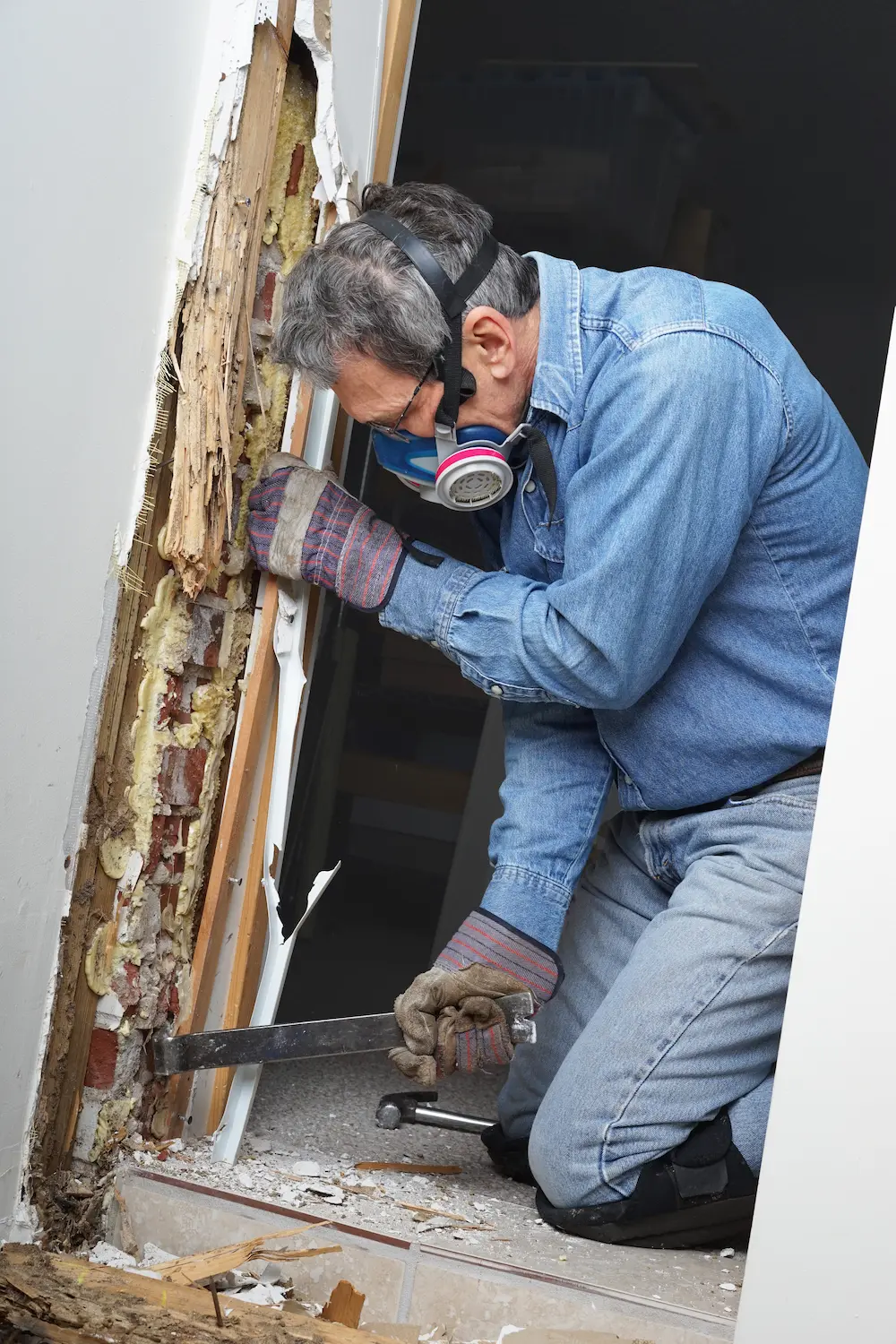
A termite problem rarely announces itself with drama. There is no burst pipe, no broken window, no obvious plume of smoke. Most of the time, the damage begins quietly behind drywall, beneath flooring, inside roof timbers, and along structural members that few people inspect closely. By the time a business owner notices bubbling paint, hollow sounding wood, or a door frame that no longer sits square, the colony has often been active for months, sometimes longer.
That slow, hidden progression is exactly why regular termite control services matter so much for commercial properties. Businesses operate on predictability. They budget for rent, staffing, inventory, maintenance, insurance, and utilities. What they do not budget for, at least not comfortably, is sudden structural repair tied to an infestation that could have been detected earlier. Termites exploit neglect, inconsistency, and the false sense of security that comes from a building that appears sound from the outside.
Commercial buildings present a unique risk profile. They tend to have larger footprints, more complex layouts, more penetrations through slabs and walls, more utility lines, and often more areas that go unchecked for long periods. Warehouses have dim storage corners and wood pallets. Restaurants deal with moisture and plumbing lines. Offices may have landscaped perimeters, decorative wood features, and patchwork renovations over many years. Retail spaces turn over tenants, and each fit-out can create small vulnerabilities in floors, baseboards, and service channels. In real-world property management, small vulnerabilities are where termite issues often begin.
The cost of termites is not just repair work
When people talk about termite damage, they usually picture replacing beams, wall studs, trim, or flooring. Those are the obvious costs. For businesses, the real expense often stretches further.
A property owner may face repair bills, but a tenant may face interrupted operations, delayed opening dates, relocated inventory, restricted access to parts of the premises, or concern from customers and staff. If an infestation is discovered during a lease negotiation, a refinancing process, or a sale, it can slow the entire transaction. If a hospitality or food service business has to close off sections of the building for treatment or follow-up repair, the loss is measured in missed revenue as much as in contractor invoices.
There is also the matter of reputation. A visible pest issue, even if termites are not directly interacting with customers the way cockroaches or rodents might, sends the wrong signal. Clients, employees, and visitors tend to interpret pest problems as evidence of poor maintenance. That perception can be unfair, because even well-run buildings can become vulnerable, but it still has consequences.
I have seen properties where the actual wood repair was manageable, yet the secondary costs were what hurt most. One office suite needed only localized wall and trim replacement near an exterior entry, but the tenant had to postpone a planned move-in by several weeks while inspections, treatment, and carpentry were completed. The delay affected staffing, signage, IT installation, and marketing. The termites did not just damage wood. They damaged a timeline.
Why commercial properties are especially vulnerable
Termites are persistent, and businesses often give them plenty of opportunity. Unlike a homeowner who notices a soft baseboard while vacuuming on a Saturday, commercial spaces can go months without anyone examining the less visible parts of the building closely. Maintenance teams are typically juggling safety checks, HVAC issues, lighting, landscaping, plumbing calls, and tenant requests. Termite activity is easy to miss until it becomes obvious.
Moisture is one of the most common contributing factors. Leaking condensate lines, roof penetrations, irrigation overspray, poor drainage, slab cracks, wet wall cavities, and plumbing seepage can all make a property more inviting. Moisture does not create termites, but it supports the conditions they prefer and can soften the defenses a building naturally has.
Construction style matters too. Some buildings have wood framing in concealed areas. Others have expansion joints, foam insulation, utility trenches, or decorative cladding that make inspections more complicated. A newly renovated space is not automatically protected. In fact, renovation can occasionally hide prior damage or create inaccessible voids that make a careful inspection even more important.
Subterranean termites are a major concern in many regions because they travel from the soil into the structure, often through mud tubes or hidden entry points. Drywood termites, where they are common, can be just as problematic because they live directly in the wood and may not need soil contact. The species profile varies by geography, but the business case for regular termite control services stays largely the same. Waiting for symptoms is a losing strategy.
The problem with one-time treatment thinking
Many businesses treat termite control as a one-and-done service. They schedule an inspection when they purchase a building, when a tenant complains, or when visible signs appear. After treatment, they assume the matter is closed. That assumption is where preventable problems begin.
Termite pressure changes over time. Weather patterns shift. Landscaping matures. Nearby construction disturbs colonies in the ground. New moisture issues arise. Building additions and tenant improvements alter access points and concealment areas. A structure that was low risk three years ago may not be low risk today.
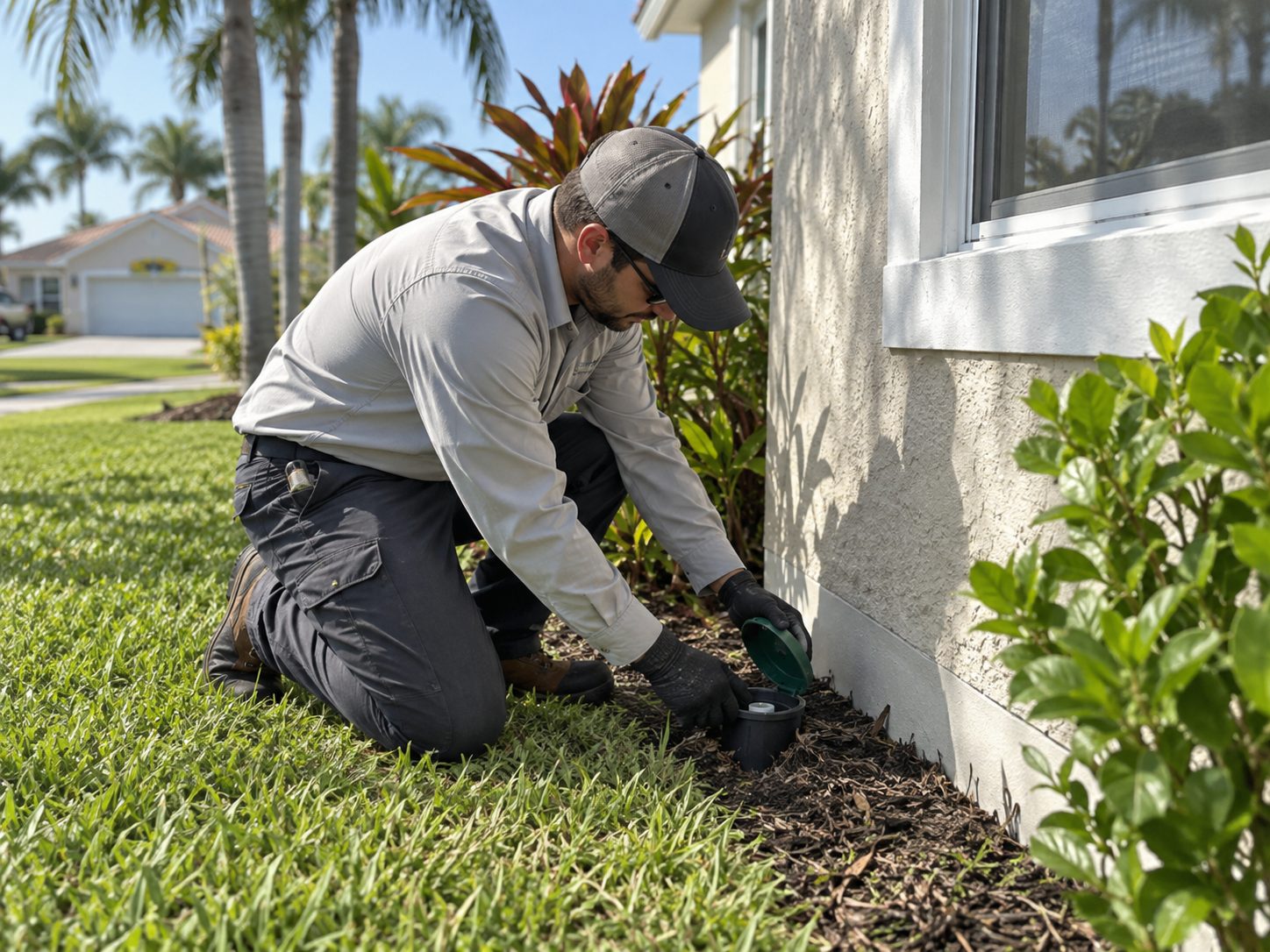
Regular termite control services work because they recognize this moving target. Ongoing service is not just about applying product. It is about monitoring the property, identifying condition changes, spotting early indicators, checking past hotspots, and adjusting the protection plan as the building evolves. The value lies in continuity.
In practice, regular service tends to reveal small concerns before they turn into expensive disruptions. A technician might notice damaged sealant at an expansion joint, wood debris left in a crawlspace after maintenance work, or soil contact at siding after a landscape refresh. None of these conditions is a crisis on its own. Left unaddressed, each can become part of one.
What regular termite control services actually provide
A good termite service program is part inspection, part risk management, part preventive maintenance. It should never feel like a technician arrives, glances at the perimeter, and leaves a generic report. Commercial properties need a more thoughtful approach.
At minimum, regular Termite Control Services termite control services should include:
- Scheduled inspections of interior, exterior, and accessible structural areas
- Assessment of moisture, wood-to-soil contact, drainage, and other conducive conditions
- Monitoring for signs of live activity, past damage, shelter tubes, swarm evidence, or frass where relevant
- Treatment recommendations tailored to the building type and local termite pressure
- Documentation that helps owners, tenants, and facility managers track conditions over time
That documentation matters more than many people realize. For a single-site small business, it creates accountability and a maintenance record. For a multi-site operator or commercial landlord, it supports budgeting, vendor management, and long-term asset planning. If a problem does emerge, having service history helps distinguish between new activity, old damage, and recurring vulnerabilities.
Prevention is usually cheaper than restoration
This is not a dramatic claim, just a practical one. Repairing termite damage almost always costs more than monitoring and prevention, especially in commercial settings. Once infestation reaches structural members, the fix may involve opening walls, replacing finish materials, coordinating with multiple trades, and working around business hours. Even if the treated area is physically small, access can make the project expensive.
The comparison is similar to roof maintenance. Businesses do not inspect roofs because they enjoy spending money on maintenance. They inspect them because neglected roof issues become water intrusion, insulation damage, mold concerns, and tenant complaints. Termite prevention follows the same logic. The visible problem is rarely the whole problem.
A modest service agreement often protects against much larger costs later. That does not mean every property needs the same frequency or the same treatment method. A standalone office on a dry site may require a different plan than a restaurant near irrigated landscaping, or a warehouse with wood storage and limited interior foot traffic. The point is not to overspend. The point is to match protection to exposure.
Different businesses face different termite risks
A restaurant and a law office can occupy buildings of similar size and still present very different conditions. Restaurants tend to have more plumbing penetrations, more wash areas, and often more exterior service zones where moisture lingers. Medical offices may maintain strict cleanliness but still have hidden utility chases and numerous sink locations. Retail spaces in strip centers can inherit vulnerabilities Termite Control Services maximumpests.com from neighboring units, shared walls, and common landscaping. Warehouses may look austere and easy to inspect, yet towering storage racks and low-priority back corners can hide issues surprisingly well.
Older buildings deserve special attention. Over decades, many commercial properties accumulate layers of repair, remodel, patching, and utility work. That history can obscure termite entry points and prior damage. On paper, the building may appear upgraded. In the field, the technician may find inaccessible voids, abandoned wood, moisture staining, or grade changes around the slab edge that deserve closer review.
Newer buildings are not exempt. There is a common assumption that recent construction means low risk. Sometimes that is true, but not always. Site conditions, landscaping, and local termite pressure still matter. New construction also benefits from continuity, because the earliest years are the best time to establish records, inspection habits, and baseline conditions.
Timing matters more than most owners expect
Some business owners ask whether termite service is best handled only during warmer months, or only after seeing swarmers. In practice, that approach is too reactive. Swarms can be seasonal, but termites themselves are active in ways that do not align neatly with an owner’s calendar. Inspection timing should reflect local climate, species behavior, and property conditions, not just visible pest events.
For many commercial properties, at least annual professional inspection is the floor, not the ceiling. Higher-risk properties may justify more frequent visits, especially where there is a history of infestation, persistent moisture, dense landscaping, or construction that limits visibility. A business with multiple units or high-value finishes may decide that more frequent monitoring is simply a smart insurance-like expense.
The best timing often coincides with other maintenance cycles. If the property already schedules seasonal HVAC checks, irrigation reviews, roof inspections, or annual safety audits, termite monitoring can be folded into that rhythm. Consistency beats urgency.
Choosing a provider is about more than price
Every pest control company can print a service sheet. What matters is how well they understand commercial property realities. Businesses should look for providers who inspect carefully, explain findings plainly, and distinguish between urgent issues and watch-list conditions. Overstating risk is unhelpful. Understating it is worse.
A capable provider typically does several things well. They document clearly. They know how to work around operations. They understand regional termite patterns. They explain treatment options and trade-offs. They notice building conditions that contribute to risk, even when those conditions fall partly outside the pest control scope.
When evaluating providers, it helps to ask a few direct questions:
- How will inspections be documented, and who receives the reports?
- What areas are included or excluded in routine visits?
- How do you handle properties with tenants, restricted access, or after-hours operations?
- What treatment methods do you recommend for this building type and why?
- How do you distinguish old damage from active infestation?
These questions reveal a lot. A thoughtful answer usually signals a provider who has worked in real commercial environments, not just in standard residential settings. That difference matters.
The operational side of termite management
One reason regular termite control services succeed is that they create a pattern of attention. Staff start reporting suspicious signs sooner. Maintenance teams become more mindful about leaving cellulose debris in crawlspaces or allowing planters to rest against wood trim. Property managers get used to reviewing the same risk areas over time, which makes change easier to notice.
The most effective programs are collaborative. Pest professionals can treat and inspect, but building operators still control many of the conditions that influence termite risk. Irrigation settings, drainage corrections, plumbing repairs, landscaping choices, storage practices, and renovation details all affect outcomes. Good termite management is rarely just chemical. It is procedural.
This matters especially in multi-tenant settings, where communication tends to be fragmented. A landscaping contractor may raise soil level against siding without the property manager realizing the implication. A tenant may store cardboard or wood products in a damp rear corner. A handyman may patch visible damage cosmetically without understanding why the wood softened in the first place. Regular service creates more opportunities to catch those disconnects.
What businesses gain besides protection
The obvious gain is reduced risk of infestation and structural damage. The less obvious gains are often just as valuable.
Businesses gain predictability. They gain cleaner maintenance records. They gain evidence of responsible care, which can help with transactions, lease relationships, and insurance discussions. They gain fewer nasty surprises during renovations or occupancy changes. Most importantly, they gain time, because early detection keeps decisions manageable.
Time is the one thing termite damage quietly steals. It steals time from managers who must chase inspections, repairs, and contractors. It steals time from operations teams that have to work around openings in walls or temporary closures. It steals time from deals that stall when due diligence uncovers unresolved pest history. Regular termite control services give some of that time back by turning emergency response into routine stewardship.
A commercial property is an income-producing asset, a workplace, a customer-facing environment, and often a long-term investment all at once. Protecting it should never depend on whether someone happens to notice a patch of blistering paint before the next lease renewal. Termites do their best work when nobody is paying attention. Businesses are better served by making sure someone is.
Maximum Pest Control
836 NE 7th Terrace Suite #5
Cape Coral, FL 33909
+1 239-772-7363
FAQ About Termite Control Services
What are two signs of a termite infestation?
Mud tubes along a foundation and piles of shed wings near doors or windows are two signs to investigate. Mud tubes are associated with subterranean termites. A licensed inspector can identify the insect and assess whether there is active infestation.
How many years does a termite treatment last?
There is no single timeline for all treatments. The method, site conditions, and maintenance affect how long protection lasts. Bait systems rely on monitoring and service. Ask the provider for the recommended inspection schedule and the terms of any coverage.
Is Termite Treatment Expensive in Cape Coral?
Cost depends on the termite species, the size and construction of the property, the extent of activity, and the treatment method. Request a written estimate after inspection and ask whether monitoring, follow-up visits, and renewals are included.