How Termite Control Services Minimize Damage to Flooring and Walls
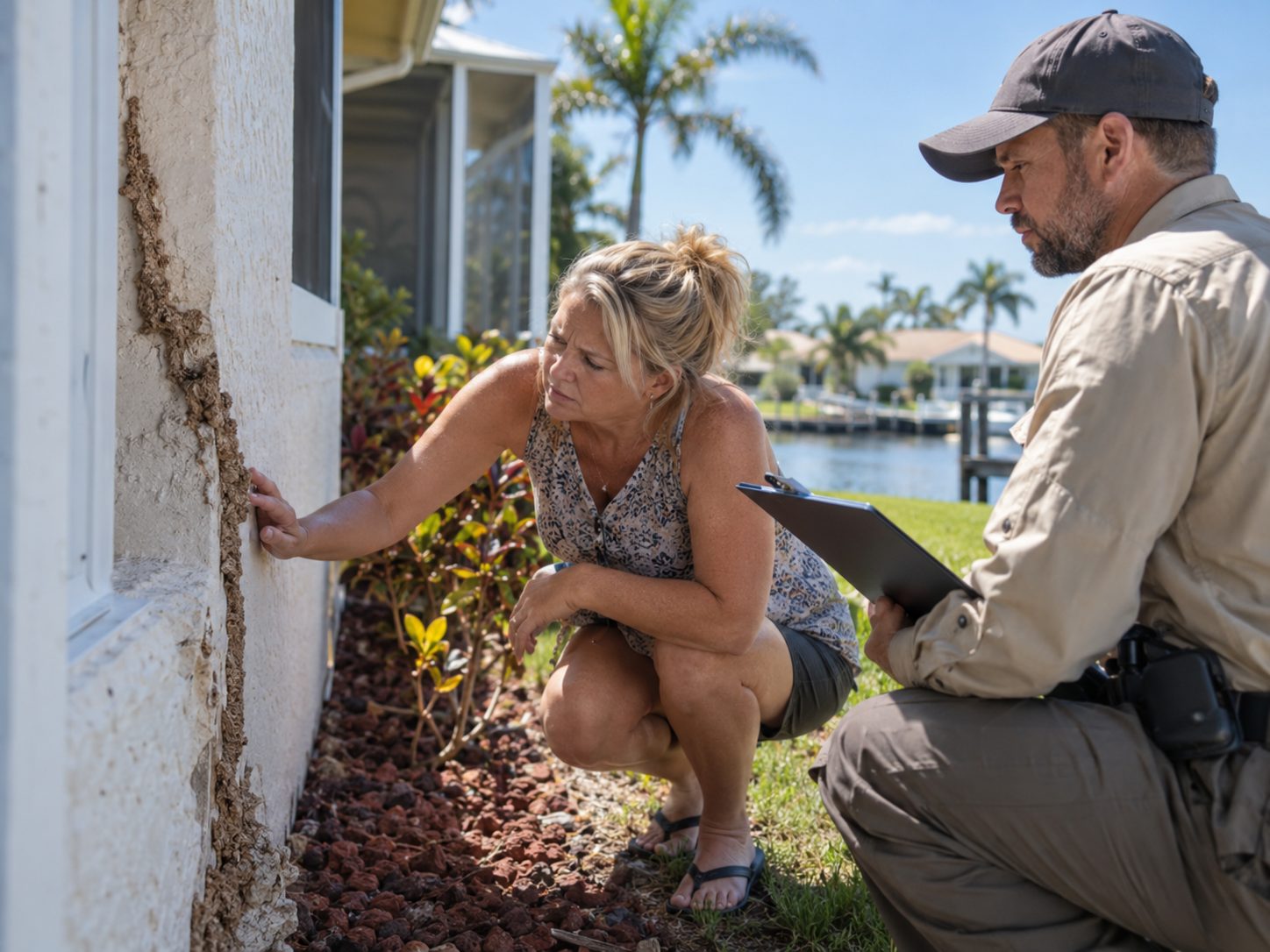
Flooring and walls usually tell the story of a termite problem long before most homeowners realize what they are seeing. A slight ripple beneath hardwood planks, paint that starts to bubble for no obvious reason, trim that sounds hollow when tapped, a baseboard that crumbles under light pressure, these are often treated as minor cosmetic defects at first. In practice, they are warning signs that wood-destroying insects may already be active behind finished surfaces.
That is why professional termite control is not simply about killing an insect colony. Effective Termite Control Services are designed to interrupt a chain of damage before it spreads through the parts of a building people interact with every day. Floors, subfloors, studs, drywall backing, door frames, window casings, and baseboards are all vulnerable because termites do not target appearance, they target cellulose. If wood or paper-backed material is available, protected from light, and exposed to enough moisture, it can become part of their feeding path.
Homeowners often ask the same practical question: how exactly do termite professionals reduce damage to flooring and walls if much of the destruction has already started out of sight? The answer lies in speed, inspection quality, treatment selection, and follow-up. A competent service does more than apply chemicals. It identifies where termites are entering, maps how they are moving, separates active feeding from old damage, and creates a treatment plan that protects structural and finish materials from further loss.
Why floors and walls are such common targets
Subterranean termites are especially destructive because they travel from the soil into a structure through concealed routes. They commonly enter where wood components are close to grade, where cracks in slabs allow access, or where moisture around foundations makes the environment attractive. Once inside, they move upward and outward, often reaching sill plates, joists, subfloors, and wall framing before anyone notices.
Flooring suffers because the subfloor and joist system sit directly in the path of termite movement. In homes with hardwood flooring, the first visible symptom may be a soft or springy feel underfoot. In carpeted rooms, the padding and finish layer can disguise deterioration for months. Tile can also be affected indirectly if the wood substrate below begins to fail. Homeowners sometimes think they have a settling issue or water damage when the real problem is below the surface.
Walls are equally vulnerable, though the damage usually presents differently. Termites can consume studs, paper backing on drywall, and wooden trim while leaving the painted surface largely intact. That is one reason infestations can become expensive. The visible layer may look acceptable until pressure is applied. I have seen homeowners push lightly on what seemed like a sound wall only to break through softened material because the framing behind it had been heavily tunneled.
What makes this worse is that termites are efficient in hidden spaces. They prefer darkness, stable humidity, and uninterrupted access to wood. Wall cavities and floor systems provide all three. By the time a homeowner sees mud tubes, blistered paint, or sagging trim, the colony has often been feeding for a considerable period.
The first way termite control services limit damage, finding the infestation early enough to matter
The most important benefit of professional termite work is not the treatment itself. It is accurate detection before structural and finish damage becomes widespread. A thorough termite inspection goes beyond a quick look at baseboards. Technicians check crawl spaces, basement framing, slab edges, expansion joints, utility penetrations, attic supports where relevant, exterior foundation lines, and moisture-prone areas such as bathrooms, kitchens, and around leaking hose bibs.
Experience matters here. Not every crack is termite-related, and not every soft board means active insects. Professionals learn to distinguish between fungal decay, moisture swelling, carpenter ant galleries, and termite feeding patterns. That distinction is critical because it affects both urgency and treatment design. A misdiagnosis can waste weeks, and with termites, weeks matter.
When inspections are done well, they catch activity while the damage is still localized. That can mean the difference between spot repairs to trim and subflooring versus opening multiple walls and replacing major structural members. In one fairly typical case, a homeowner called because of a loose floorboard near a patio door. The issue looked minor from above. Inspection below the floor revealed active subterranean termites tracking along the sill plate and into a short run of wall framing. Because the colony was identified quickly, treatment stopped the spread before the adjoining room and hallway were affected. Repair costs stayed manageable because the intervention happened at the right moment.
Stopping the colony cuts off the damage cycle
Termite damage continues as long as the colony has access and favorable conditions. This sounds obvious, but it is where do-it-yourself products often fall short. Surface sprays may kill visible insects without reaching the source of the infestation. The colony remains active, feeding simply shifts, and damage continues inside walls or below flooring where nobody can see it.
Professional Termite Control Services are structured to eliminate or isolate the colony through methods matched to the infestation type. For subterranean termites, that often means creating a treated zone in the soil around the foundation, using bait systems that the colony carries back internally, or applying targeted materials into active galleries and voids. For drywood termites, localized treatments or whole-structure approaches may be more appropriate depending on the extent of activity.
The practical result is that wood components stop being consumed. Once the feeding stops, a contractor or homeowner can repair flooring and wall finishes with confidence that the underlying issue has been addressed. Without that step, new trim, fresh drywall, or replacement boards can become food again.
This is one of the most misunderstood parts of termite work. People naturally focus on what they can see, the cracked tile line, the loose baseboard, the warped flooring plank. Professionals focus first on access routes and colony pressure. If you do not break the biological system behind the visible damage, cosmetic restoration becomes an expensive cycle.
Treatment methods that protect floors and walls with the least disruption
A good termite plan is not just effective, it is measured. The goal is to stop activity while causing as little unnecessary disturbance to the building as possible. That matters when flooring materials are expensive or when wall finishes have to be preserved.
Liquid termiticides, when installed correctly around a foundation, can be highly effective at intercepting subterranean termites before they continue into structural wood. This method often helps protect floors and walls because it addresses the entry path from outside, rather than requiring broad interior demolition. Trenching and drilling may be needed in some structures, especially around slabs, porches, or garages, but the treatment can often be completed with limited effect on interior finishes.
Baiting systems are another important tool, particularly where long-term monitoring is valuable or where trenching is constrained by hardscapes, drainage concerns, or construction details. Baits work differently from barrier treatments. Instead of relying on termites crossing a treated zone, they encourage foraging termites to carry a growth-regulating substance back through the colony. This process is not instant, but it can reduce colony pressure in a way that limits continued feeding on framing, subfloors, and trim.
For localized infestations, especially in accessible wall voids or specific wood members, technicians may use direct injections, foam applications, or borate-based wood treatments. These methods can reduce the need to remove large sections of flooring or wall covering. Used correctly, they target active zones and leave more of the home intact.
There is always a trade-off. The least invasive method is not automatically the best one. A small, well-contained area of activity may respond to focused treatment. Widespread subterranean access around a foundation usually calls for broader defense. Professionals minimize flooring and wall damage not by choosing the gentlest-sounding option, but by choosing the one most likely to stop the infestation completely the first time.
Moisture control is often the hidden half of the solution
Termites are easier to stop when the building is less hospitable to them. That is why strong termite services almost always include recommendations on moisture and drainage. This can feel secondary to homeowners who want the insects gone immediately, but it has a direct effect on future damage to floors and walls.
Moisture-softened wood is more attractive and easier for termites to exploit. Crawl spaces with high humidity, leaking shower pans, poor grading around foundations, clogged gutters, and plumbing drips behind walls all raise the risk. If a floor system stays damp, termites gain both access and ideal feeding conditions. If an exterior wall remains wet near grade, siding and framing become more vulnerable.
I have seen homes treated effectively, only to face renewed pressure later because the original moisture problem was left untouched. One recurring example is a bathroom leak that travels into the subfloor and adjacent wall cavity. A treatment may solve the immediate infestation, but if the leak continues, the environment remains attractive. Long-term protection depends on correcting both the insect issue and the building condition that supported it.
The better providers explain this clearly. They do not use moisture as a way to shift blame to the homeowner. They treat it as part of damage prevention. Dry wood and dry wall cavities do not invite the same level of risk.
Why damage to walls can be more serious than it looks
Walls create a false sense of security because surface finishes hide the condition of framing. A painted wall can look perfectly stable while studs behind it are partially hollowed. This does not mean every termite infestation creates an immediate structural emergency, but it does mean visual appearance is a poor guide to severity.
Termite control professionals use probing tools, moisture readings, and knowledge of common travel patterns to estimate what is happening behind the finish layer. In some cases, they can confirm limited activity and avoid unnecessary demolition. In others, they may recommend opening selective sections of wall so the extent of feeding can be assessed before repairs are planned.
That selective approach is how services minimize wall damage in practical terms. They do not tear out whole rooms just because termites were found Termite Control Services in one area. They narrow the problem, treat the source, and coordinate with repair professionals when hidden damage needs confirmation. That saves labor, reduces restoration costs, and helps preserve original finishes where possible.
There is also a timing factor. If termite activity is addressed while damage is limited to trim, sheathing, or one run of studs, wall repairs remain relatively contained. If the infestation is ignored until door frames shift, drywall cracks widen, or windows stop operating normally, repair work often expands. The same colony that began at a sill plate may by then have moved into multiple wall bays.
Flooring damage often starts below the visible surface
When homeowners notice floor problems, they naturally think about the material underfoot. In termite cases, the more important components are usually below that finish layer. Hardwood, laminate, and tile may show the first symptom, but joists, sleepers, and subfloors are where structural loss tends to accumulate.
That is why experienced termite professionals inspect from below whenever possible. In crawl space homes, they look for mud tubes on piers, foundation walls, support posts, and joists. In slab homes, they focus on perimeter conditions, expansion joints, cracks, and transitions where plumbing or utilities penetrate the slab. Flooring damage can spread quietly because a finish layer may bridge over weakening wood for a while before the surface visibly fails.
Fast intervention reduces the chance that whole sections of flooring have to be removed. If termites are stopped when the damage is confined to a few joist ends or a limited patch of subfloor, repairs can be surgical. If the infestation continues, finished floors may need to come up across a larger area so compromised substrate can be rebuilt. That is where costs rise sharply, especially when matching older hardwood or custom finishes becomes difficult.
What homeowners can do to help minimize wall and floor damage
Homeowners do not need to become termite experts, but they do play a significant role in limiting damage. The biggest mistakes are delay and denial. People often hope a small soft spot or bit of blistered paint is harmless. Sometimes it is. Sometimes it is the earliest visible stage of an expensive infestation.
A few habits make a real difference:
- Schedule an inspection promptly if floors feel spongy, trim sounds hollow, or paint bubbles without a clear moisture source.
- Fix leaks and drainage problems quickly, especially around bathrooms, kitchens, foundations, and crawl spaces.
- Keep wood debris, mulch piled too high, and direct wood-to-soil contact away from the home’s perimeter.
- Follow through on annual or recommended monitoring after treatment, because new termite pressure can develop over time.
- Coordinate repairs after treatment, not before, so new materials are not installed into an active infestation.
Those steps do not replace professional termite work, but they do support it. They shorten the window in which termites can spread from hidden structural areas into finished walls and flooring systems.
The role of follow-up and monitoring
A single treatment visit is not always the end of the story. Depending on the termite species, construction type, and treatment method, follow-up inspections are often what keep minor issues from becoming major damage later. Monitoring matters because buildings change. Soil settles. Moisture patterns shift. Landscaping matures. Additions, patios, or new utility lines can alter access conditions around a home.
With bait systems, regular monitoring is built into the strategy. With liquid treatments, follow-up confirms that activity has ceased and that no secondary access points were missed. In homes with a history of infestation, these return visits are especially valuable. They catch subtle changes before flooring softens again or wall trim starts to separate.
Professionals who take monitoring seriously tend to save homeowners money over the long run. Not because they promise termites will never return, no honest company can make that claim in absolute terms, but because they reduce the odds that renewed activity goes unnoticed until damage is extensive.
Repair decisions should be based on risk, not appearance alone
Once treatment is complete, homeowners face another important decision: what needs repair now, and what can safely remain? Not every damaged board or stud must be replaced immediately. If a wood member has cosmetic galleries but still retains its structural capacity, a contractor may decide it can stay in place. On the other hand, a subfloor panel with hidden loss around fasteners may need replacement even if the finish above looks acceptable.
This is where coordinated judgment matters. Pest professionals stop the infestation. Carpenters or structural repair specialists evaluate load-bearing performance and finish restoration. The best outcomes happen when those roles inform each other. If a technician can identify the exact limits of active termite activity, repairs become more precise. If a repair crew understands how termites moved through the structure, they are less likely to overlook adjacent damage.
That precision is part of how termite control services minimize damage to flooring and walls. They make repair planning narrower and smarter. Instead of broad guesswork, the home gets a targeted response.
Choosing a service that actually protects the house
Not all termite companies work to the same standard. Some are excellent at sales and weak on inspection detail. Others are technically sound but poor at explaining what homeowners should expect. When floors and walls are at stake, clarity matters almost as much as treatment itself.
Look for a provider that explains where activity was found, what type of termite is involved, why a specific treatment method is recommended, and what level of repair evaluation may be needed afterward. A strong company will also discuss conditions that increase risk, including moisture, wood contact, and construction details that complicate access. Vague assurances are not enough when structural finishes are involved.
There is value in asking direct questions before work begins:
- Is the infestation active, old, or uncertain based on current evidence?
- Which floor or wall areas appear affected, and how was that determined?
- Will the treatment address the colony, the entry path, or both?
- What follow-up is recommended to confirm that feeding has stopped?
- Are there moisture or construction issues that could lead to recurring pressure?
The answers reveal whether the service is focused on long-term damage control or just a one-time application.
The real benefit of timely termite control
When people hear “termite damage,” they often picture catastrophic structural failure. Most cases are not that dramatic, but they are costly precisely because termites attack the hidden parts of a home that support visible finishes. By the time flooring shifts or walls begin to show distress, the insects have often been feeding quietly for months or longer.
Professional Termite Control Services minimize that damage in several ways at once. They detect activity before more of the home is affected. They stop colonies rather than chasing visible insects. They target treatment so floors and walls do not have to be opened unnecessarily. They address moisture and access conditions that encourage future infestations. And they support more accurate repair decisions after the infestation is under control.
For homeowners, that means fewer ripped-up floors, fewer opened wall cavities, lower restoration costs, and less risk that repairs will have to be done twice. The difference between a contained termite problem and a major rebuild often comes down to one thing: how quickly the right people got involved, and how thoroughly they treated what could not yet be seen.
Maximum Pest Control
836 NE 7th Terrace Suite #5
Cape Coral, FL 33909
+1 239-772-7363
FAQ About Termite Control Services
What are two signs of a termite infestation?
Mud tubes along a foundation and piles of shed wings near doors or windows are two signs to investigate. Mud tubes are associated with subterranean termites. A licensed inspector can identify the insect and assess whether there is active infestation.
How many years does a termite treatment last?
There is no single timeline for all treatments. The method, site conditions, and maintenance affect how long protection lasts. Bait systems rely on monitoring and service. Ask the provider for the recommended inspection schedule and the terms of any coverage.
Is Termite Treatment Expensive in Cape Coral?
Cost depends on the termite species, the size and construction of the property, the extent of activity, and the treatment method. Request a written estimate after inspection and ask whether monitoring, follow-up visits, and renewals are included.